SMART SPECIALIZATION is a concept promoted by the European Union to express the framework and mechanisms for the specialization of innovation processes at the level of a developing country/region. In the financial year 2021-2027, this concept is supported by the strategic investment objectives of the European Union's Cohesion Policy, in particular by Policy Objective 1 "A smarter Europe, by promoting an innovative and intelligent economic transformation".

The North-West Regional Development Agency has published the Smart Specialization Strategy of the North-West Development Region for the period 2021-2027.

You can download the strategy and its annexes from the links below, for further information please contact us by email at: specializare.inteligenta@nord-vest.ro.

Smart specialization starts from the premise that no region has enough resources to be competitive in all areas, which is why it is much more effective to identify areas where it can make a difference in global competition and then focus its attention on those areas in the innovation effort. According to the basic concept of smart specialization strategies, each region has a unique potential, anchored in local specifics, which can be unlocked through certain measures, contributing to increase competitiveness through innovation. Innovation happens at the level of companies in the region through the support of the regional innovation ecosystem, consisting of universities, research structures, investment funds, guarantee funds, catalyst NGOs, funding agencies, banks, technology transfer centers, to which it adds human resources, financial materials and social capital in the region.

Smart Specialization Strategy identify the priority sectors for intervention and the appropriate models for approaching this specialization in order to support specialized innovation processes among economic agents to obtain a structural transformation of these sectors to increase their competitiveness in the global economy. The need for a strategic and integrated approach to innovation has been identified and supported at EU level since the 2014-2020 programming period, when smart specialization strategies were "ex ante conditionalities" in accessing European funds. Through the legislative package launched by the European Commission in 2018 regarding the implementation of European funds related to the 2021-2027 financial framework, a series of "favoring conditions" are provided for accessing European funds to support the Cohesion Policy. Among these, the fulfillment of the favorable condition "Good governance of the national or regional smart specialization strategy" is conditioned by the existence of smart specialization strategies at national and regional level. The development and implementation of smart specialization strategies are seen as actions that contribute to increasing innovation performance and at the same time as tools that can effectively contribute to an economic convergence of regions.

The North-West Regional Development Agency developed the Smart Specialization Strategy of the region with the support of European Commission experts and with financial assistance received within the 2014-2020 ROP Technical Assistance Project during 2016-2018. The support from the EC Joint Research Center was funded by a preparatory action of the European Parliament and is part of the pilot project of DG Regio and Urban Policy for less developed regions "Lagging regions".

The document was updated during 2020, taking into account the new legislative package on the implementation of European funds related to the 2021-2027 financial framework, launched by the European Commission (EC), which provides for a series of "favoring conditions" that replace the related ex-ante conditionalities period 2014-2020, these being stricter and consolidated in the context of the targeted European fund, EU funding being restricted by their non-fulfillment according to the provisions of the draft General Regulation (EC). This regulation provides in Annex III, 4 horizontal favorable conditions (CO) on the fulfillment of which depends the financing of all specific objectives related to the European Regional Development Fund (ERDF), the Cohesion Fund (CF) and the European Social Fund Plus (ESF+) and in Annex IV , 15 sectoral favorable conditions (CS) on the fulfillment of which depends the financing of one or more specific objectives aimed at certain intervention sectors.

Fulfilling the criteria related to the enabling condition "Good governance of the national or regional smart specialization strategy" is essential for the programming exercise for the period 2021-2027, considering the funding related to Policy Objective 1 (OP1) of the European Union - "A Smarter Europe , by promoting an innovative and intelligent economic transformation", with impact on several Operational Programs (Regional Operational Programme, Intelligent Growth Operational Programme, Digitization and Financial Instruments, Health Operational Programme). Also, the development of Smart Specialization Strategies at the regional level is a condition for OP1-related funding granted within the Regional Operational Programs in the period 2021-2027.

At the level of the North-West Region, the first Regional Innovation Strategy was developed for the period 2005-2008, with the general objective of increasing the attractiveness and competitiveness of the North-West Region by creating a support system for innovation and by promoting a culture of innovation.

The North-West Development Region is developing the Smart Specialization Strategy of the region with the support of European Commission experts and with financial assistance received under the 2014-2020 ROP Technical Assistance Project. The support from the EC Joint Research Center is financed by a preparatory action of the European Parliament and is part of the pilot project of DG Regio and Urban Policy for less developed regions"Lagging regions".

Also, within the same project, European Commission experts provided support including for the elaboration of the Regional Framework Document (DCR) for the implementation of Priority Axis 1 of the Regional Operational Program 2014-2020 which provides funding in the field of technology transfer.

In addition to the elaboration of the two strategic documents, CE experts offer expertise for the good organization of entrepreneurial discovery processes and for the elaboration of the project portfolio and the action plan, with an emphasis on the creation, operation and sustainability of partnership structures.

At the level of the North-West Region, a Regional Innovation Strategy (for the period 2005-2008) has already been developed, with the general objective of increasing the attractiveness and competitiveness of the North-West Region by creating a support system for innovation and by promoting a culture of innovation.

Conformable Guidelines for Research and Innovation Strategies for Smart Specialization S3 , published in May 2012 by the Directorate General of General Policy, smart specialization strategies have the following objectives:

  • Contribution to the efficient use of the European Structural and Investment Funds 2014-2020, according to the principle of resource concentration
  • The revitalization of traditional sectors through activities with higher added value and the identification of new market niches
  • Modernizing the economy by adopting new technologies
  • The development of new economic activities through a radical technological change

The key element is the entrepreneurial discovery process.

The portfolio of projects of the Smart Specialization Strategy is the result of an extensive consultation process of key actors at the regional level, especially through the Entrepreneurial Discovery Process (EDP) workshops, but also through other methods, especially open announcements, launched In this regard.

The entire EDP process was based on the methodology made available by the Joint Research Center of the European Commission, also applied in the Strategy development process in the period 2016-2018. By organizing EDP-type focus groups, a transparent and upward process was ensured, with a systematic and interactive approach, with the main focus on business needs, research and innovation.

The entrepreneurial discovery process (EDP) had two fundamental objectives:

i. Confirming the relevance of the smart specialization areas of the region, and making possible additions within the niches, areas and pillars of the strategy

and

II. Updating the project portfolio for the 2021-2027 programming period, considered to be the key element for implementing and updating the Strategy.

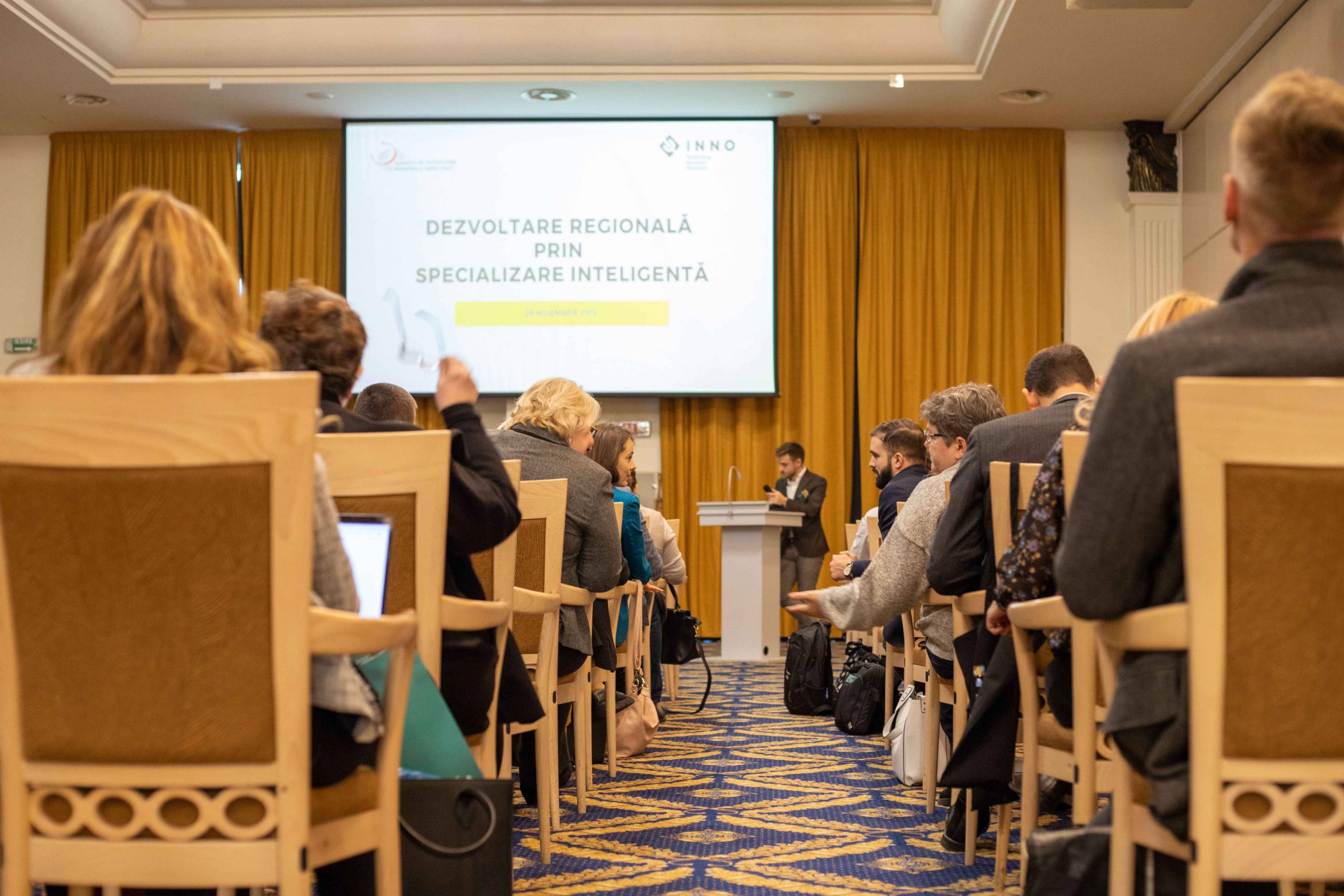
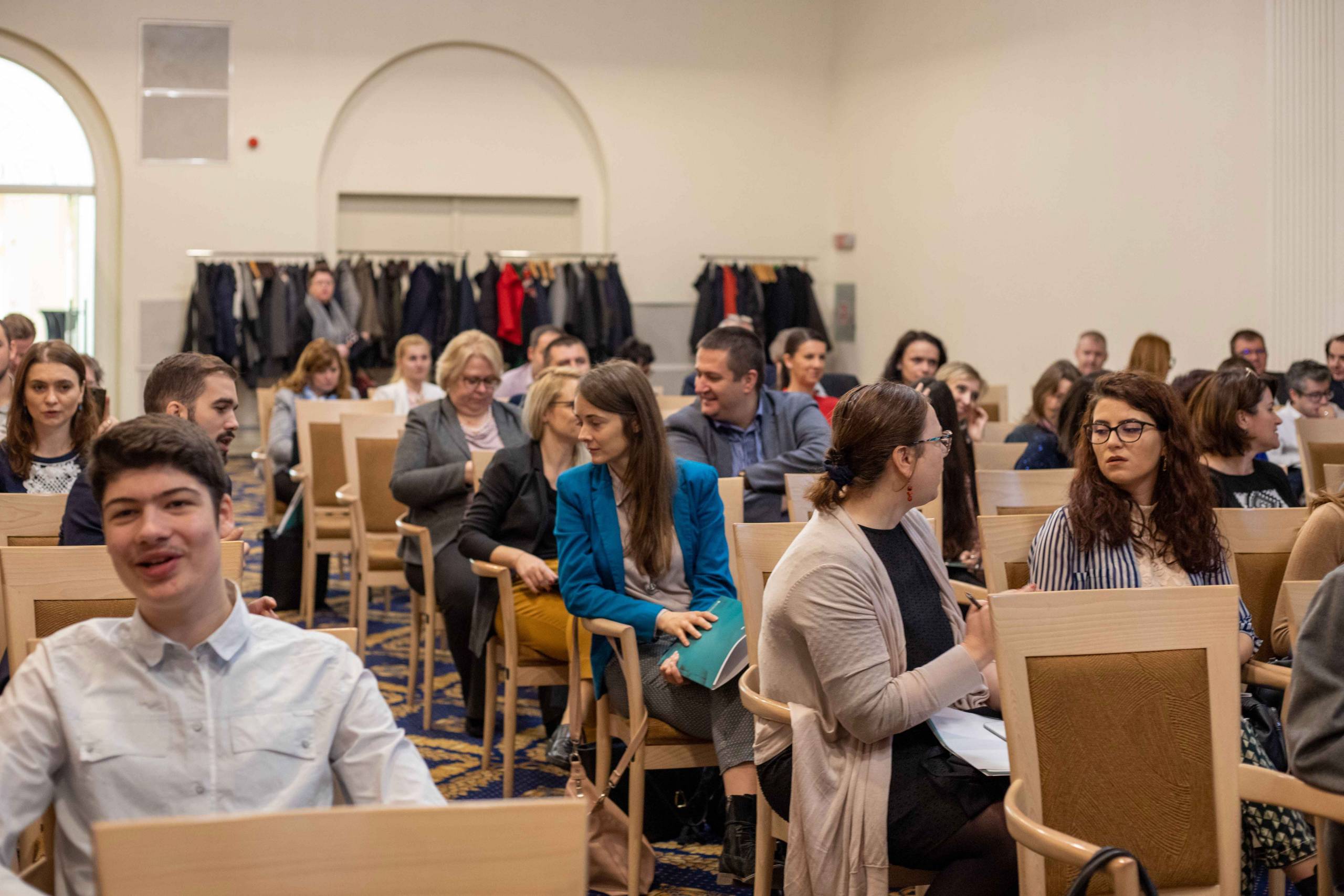
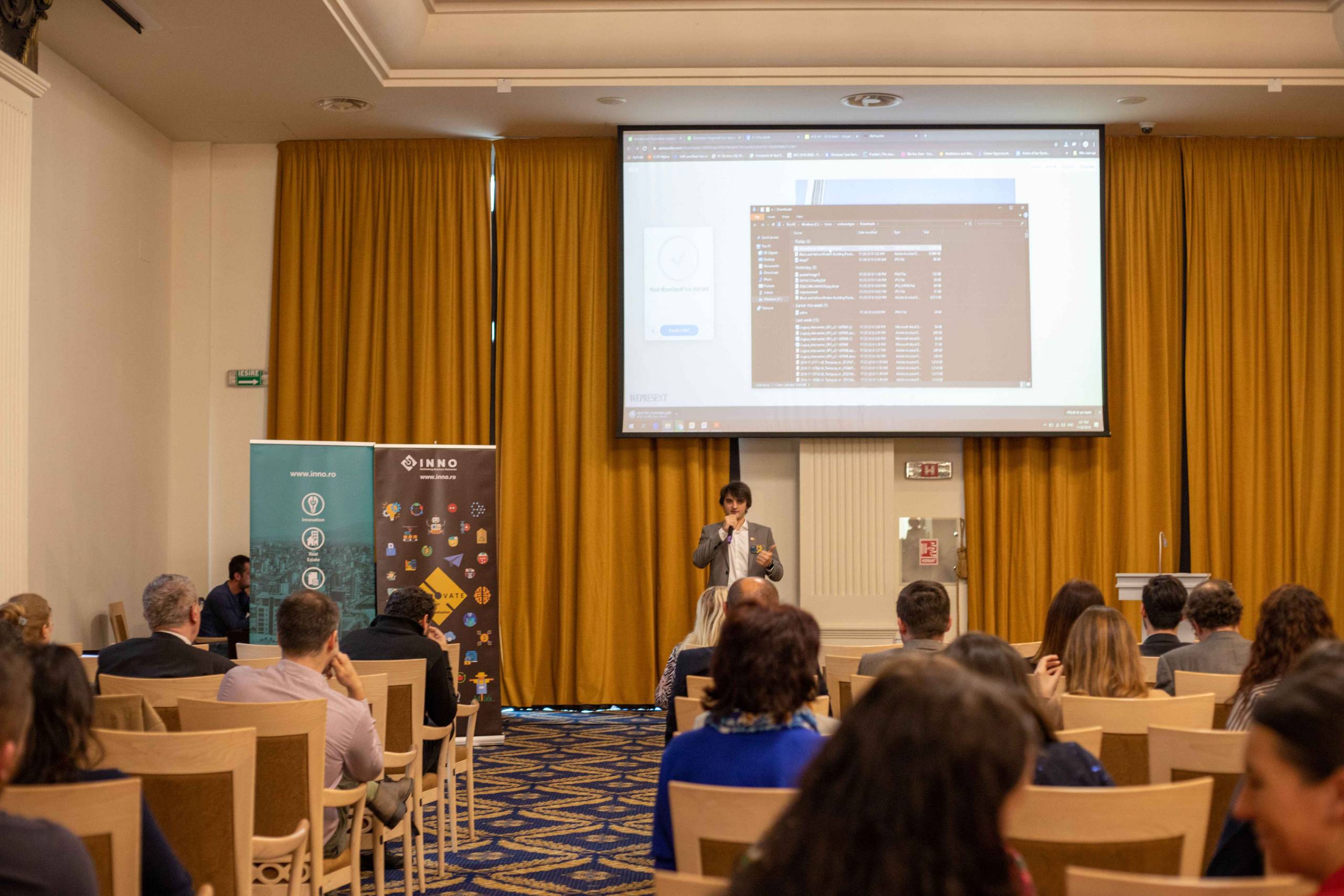
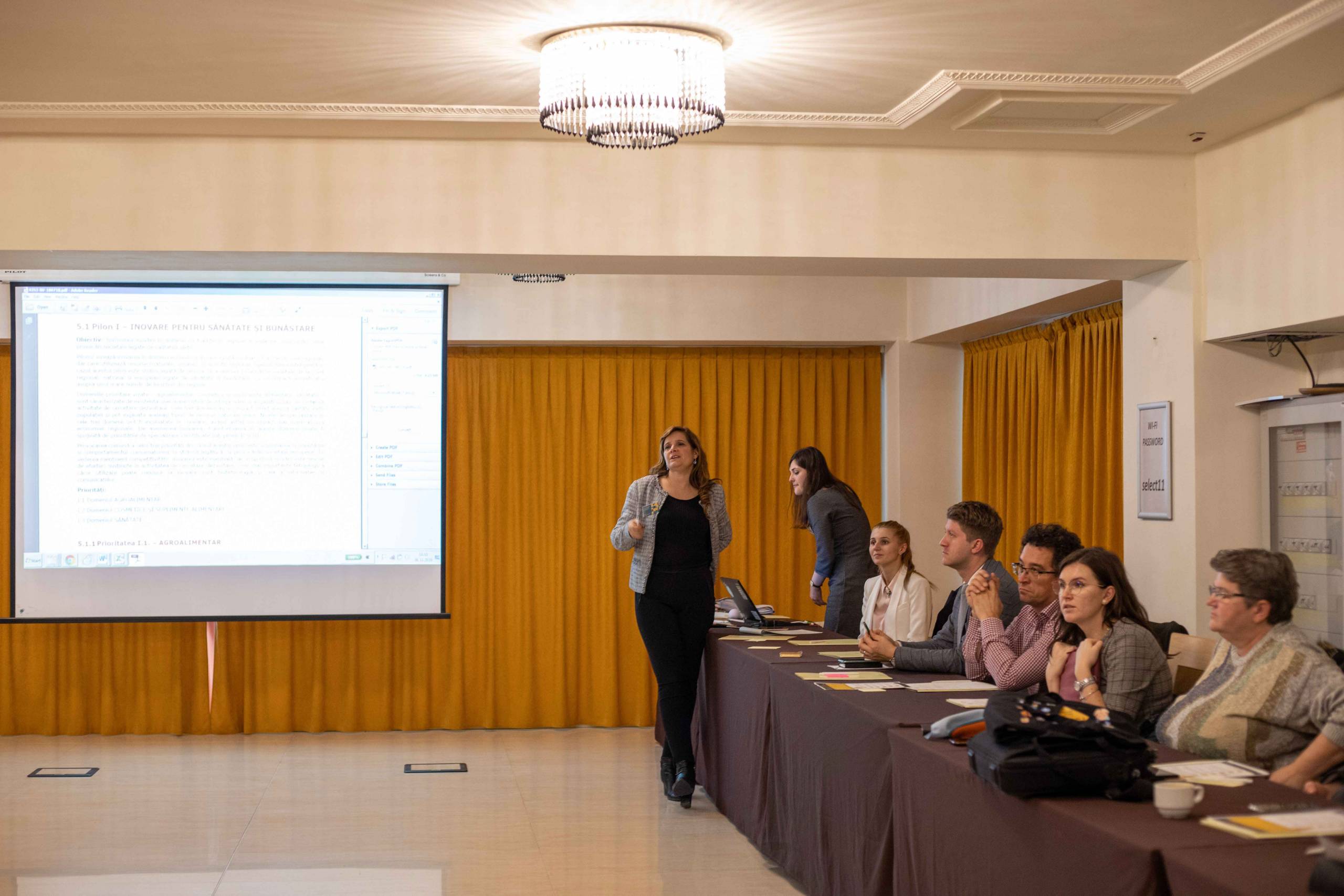
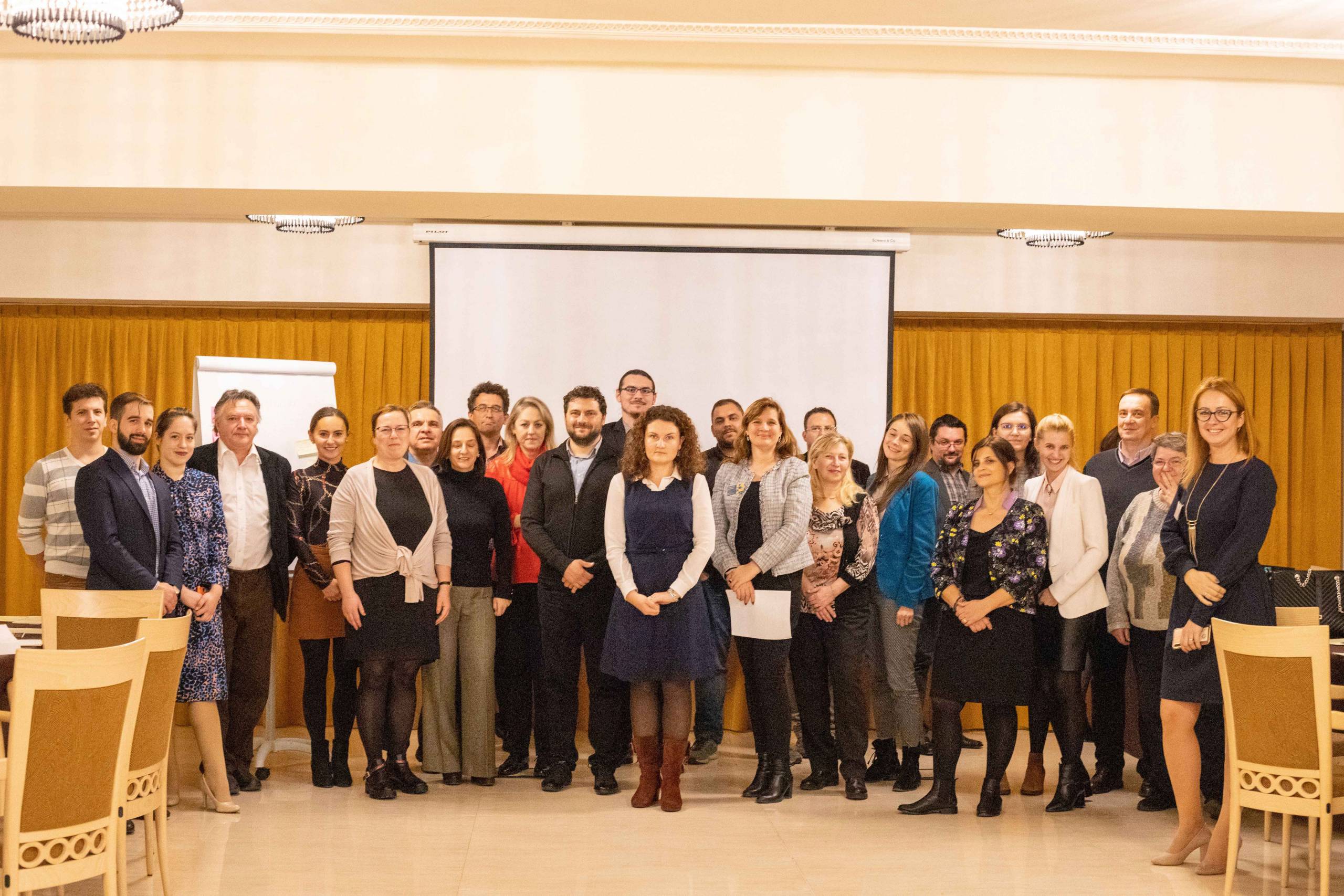
Thus, in November 2019, the process of entrepreneurial discovery was resumed, with the following workshops being organized:

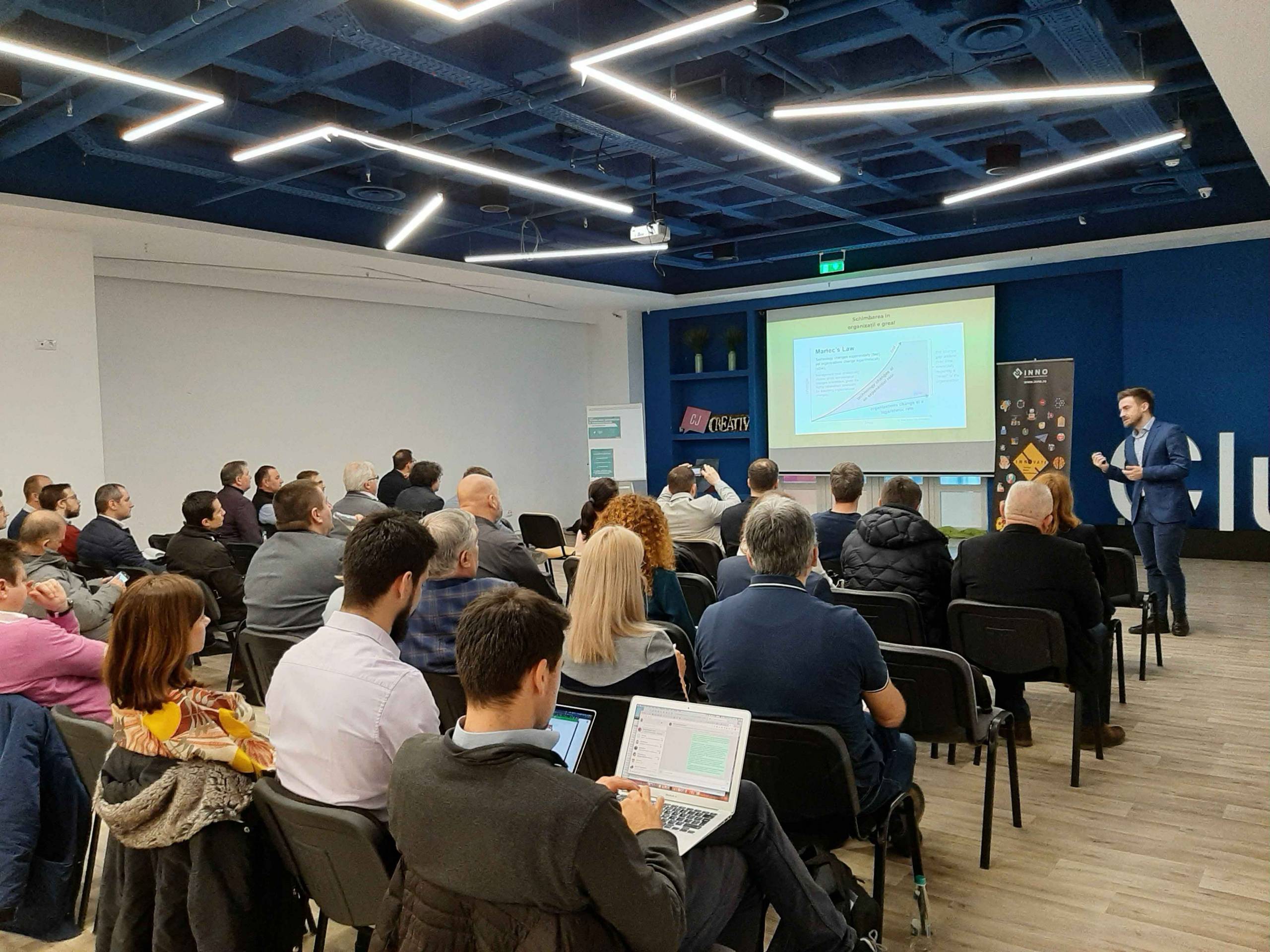
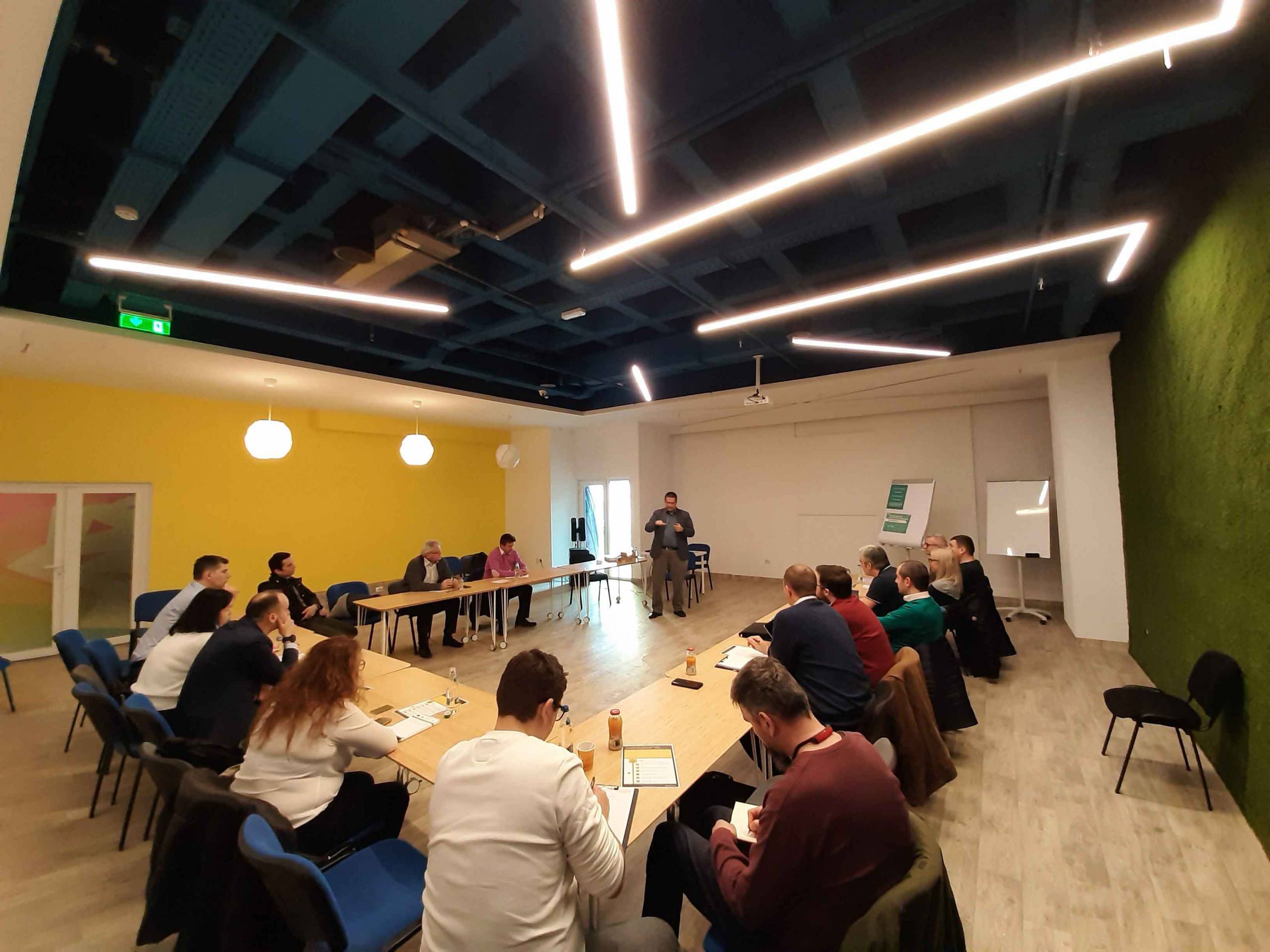
  • 3 workshops in the fields "Advanced production technologies", "Information and communication technology" and "Health and Cosmetics and food supplements", on November 26, 2019 in Cluj-Napoca.

11 representatives from three companies, the Cluj-Napoca Technical University, the Cluj IT Cluster and some consulting firms participated in the workshop dedicated to the "Advanced Production Technologies" field.

The entrepreneurial discovery workshop for "Information and Communication Technology" showed interest for 11 representatives of the key actors in the quadruple helix system, as follows: the economic environment: 5 companies, the academic environment and Innovation and Technology Transfer Entities: Cluj-Technical University Napoca, and Babeș Bolyai University, non-governmental organizations (NGO, Cluster). The public administration was not represented. 

The workshop dedicated to a mix of fields "Health and Cosmetics and food supplements" brought together 29 key actors from the quadruple helix system, as follows: representatives from 7 regional companies (medical and tic fields), academia and innovation entities and technological transfer: 13 representatives of which 3 from Cluj-Napoca Technical University, 4 from Babeș Bolyai University, 4 USAMV representatives and 2 from research institutes (ICB and INCDTIM), as well as 8 representatives of NGOs (RoHealth Cluster, Gal Leader Cluj, other NGOs). No representatives of the Public Authorities were present. During this workshop, two ideas were proposed and developed, one in the field of Health, prevention and oncological treatment, the second in the field of Food Supplements.

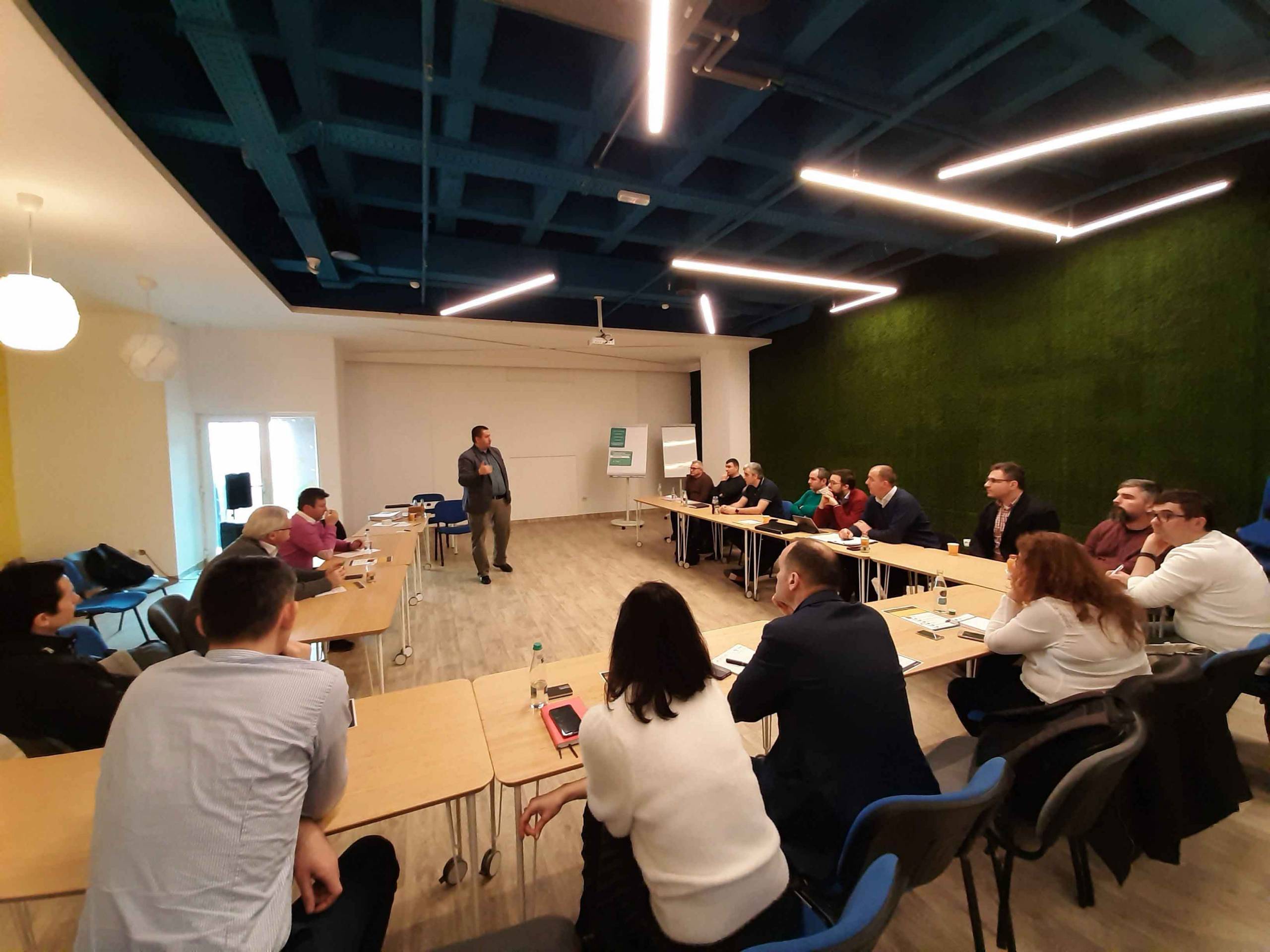
As a result of the event organized in November 2019, based on the feedback received from the participants, it was decided that there is a need to organize preparatory actions of entrepreneurial discovery workshops throughout the region. Thus, in January and February, several round tables or bilateral meetings were organized with companies, public authorities, chambers of commerce: January 15-16 Bistrița, January 22 Zalău, January 29-30 Satu-Mare, February 5-6 Baia Mare , February 12-13 Oradea, February 18-19 Bistrița and Lunca Ilvei (Bistrița-Năsăud county), February 25 Zalău.

During these meetings, the concept of Intelligent Specialization was promoted, the fields and niches included in the strategy, the organization methodology and the purpose of the intelligent specialization workshops, the need for innovation and the definition of innovation were discussed. The types of projects that want to be identified as a result of the Preselection Call were discussed.

In March 2020, the following workshops were organized:

  • 2 workshops, in the fields "Agrifood" and "Health", on March 3, 2020 in Cluj-Napoca

A total of 23 key actors from the quadruple helix system, from seven companies, USAMV Cluj, Agro Transilvania Cluster, Gal Napoca Porolissum, as well as other types of entities participated in the entrepreneurial discovery workshop in the "Agrifood" field, as well as other types of entities: consulting firms and banks. No representatives of public authorities were present. Although over 20 ideas were discussed and presented at the workshop, none of the ideas were developed, as the vast majority of participants were researchers. The presence of entrepreneurs at this workshop was relatively low, not being able to create synergies between those present. 

22 representatives of the key players in the quadruple helix system participated in the workshop on "Health". Along with entrepreneurs from 7 companies, representatives of the Romanian Institute of Science and Technology, the Iuliu Hațieganu University of Medicine and Pharmacy, the Technology Transfer Center of the UMF, as well as the Transilvania Lifestyle Cluster, the Cluj IT Cluster, and a consulting firm also participated and a bank. The Sălaj County Council was the only public authority present.

  •  2 other workshops in the fields "Advanced Manufacturing Technologies" and "Health and Cosmetics and food supplements", in Oradea, on March 4, 2020.

The mix of actors and the ideal number of participants was met at the entrepreneurial discovery workshop dedicated to "Advanced Production Technologies", where the 30 participants represented: 19 companies, 5 members of the University of Oradea, 3 representatives of NGOs: Cluster Zepher, the Association of Bihorene Companies and the Oradea Local Development Association, as well as 3 representatives of the Oradea town hall. At the advanced production technologies workshop, 22 ideas were presented, and 6 of them were developed by those present. These more mature project ideas will participate in the pre-selection call to create the smart specialization project portfolio of the region.

Only 6 companies in the fields of medicine, food supplements and cosmetics and one consulting firm participated in the workshop on the fields of "Health and Cosmetics and food supplements".

  •  2 workshops in the fields "Advanced Manufacturing Technologies" and "Information and Communication Technology", on March 9, 2020, in Cluj-Napoca.

The EDP dedicated to "Information and Communication Technology" was attended by 12 people, representatives of 8 companies, 1 representative of the Technical University of Cluj-Napoca, 1 representative of the Cluj IT Cluster and 1 representative of the Romanian Institute of Science and Technology. Two of the ideas presented and developed during the workshop have the necessary maturity to be included in the RIS3 project portfolio, if the promoters will submit them in the preselection call.

A total of 17 representatives of the key actors in the quadruple helix system participated in the workshop focused on the fields of "Advanced Production Technologies", as follows: 8 companies from the region, the Technical University of Cluj-Napoca, and the Romanian Institute of Science and Technology representing the university environment and research, two consulting firms, the Transilvan Furniture Cluster, a banking institution, BRD SG. No representatives of public authorities participated.       

On March 10, 2020, a Call for the preselection of the portfolio of integrated projects in the fields of intelligent specialization was launched. The aim of the call is to build a portfolio of project ideas from the RIS3 smart specialization areas in the North-West region and support them to be successfully implemented in the 2021-2027 programming period. A first stage of this process is the pre-selection, the objective being to provide an open framework for the identification of these project ideas, through a transparent process, based on the principle of equal opportunities/non-discrimination. Two types of project ideas will be funded: Projects type A: support structures for smart specialization projects and Projects type B: research-innovation projects and investments in areas of smart specialization.
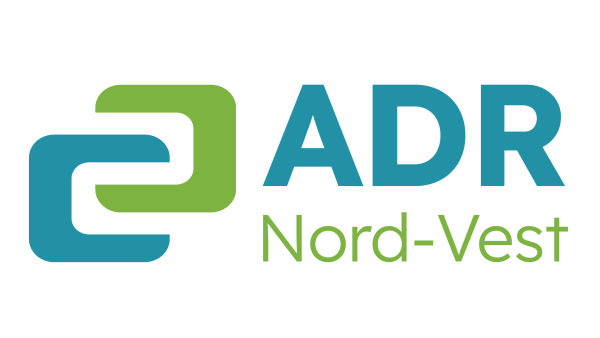
The development of the smart specialization strategy involves an extensive partnership process with the involvement of representatives of key actors at the regional level.

Governance system constituted has a multi-level approach, its purpose being both to ensure the participation and assumption of the Strategy by all key actors in the quadruple helix system at the regional level and their involvement in its implementation (including monitoring and evaluation activities) and to facilitate communication vertically, with organizations and institutions at national and European level on the one hand and relevant actors at sub-regional level on the other (including planning and programming activities). It must ensure the ability to absorb, generate and exchange knowledge and information promptly and efficiently.

The partnership framework of the Smart Specialization Strategy development process consists of:

Steering Committee

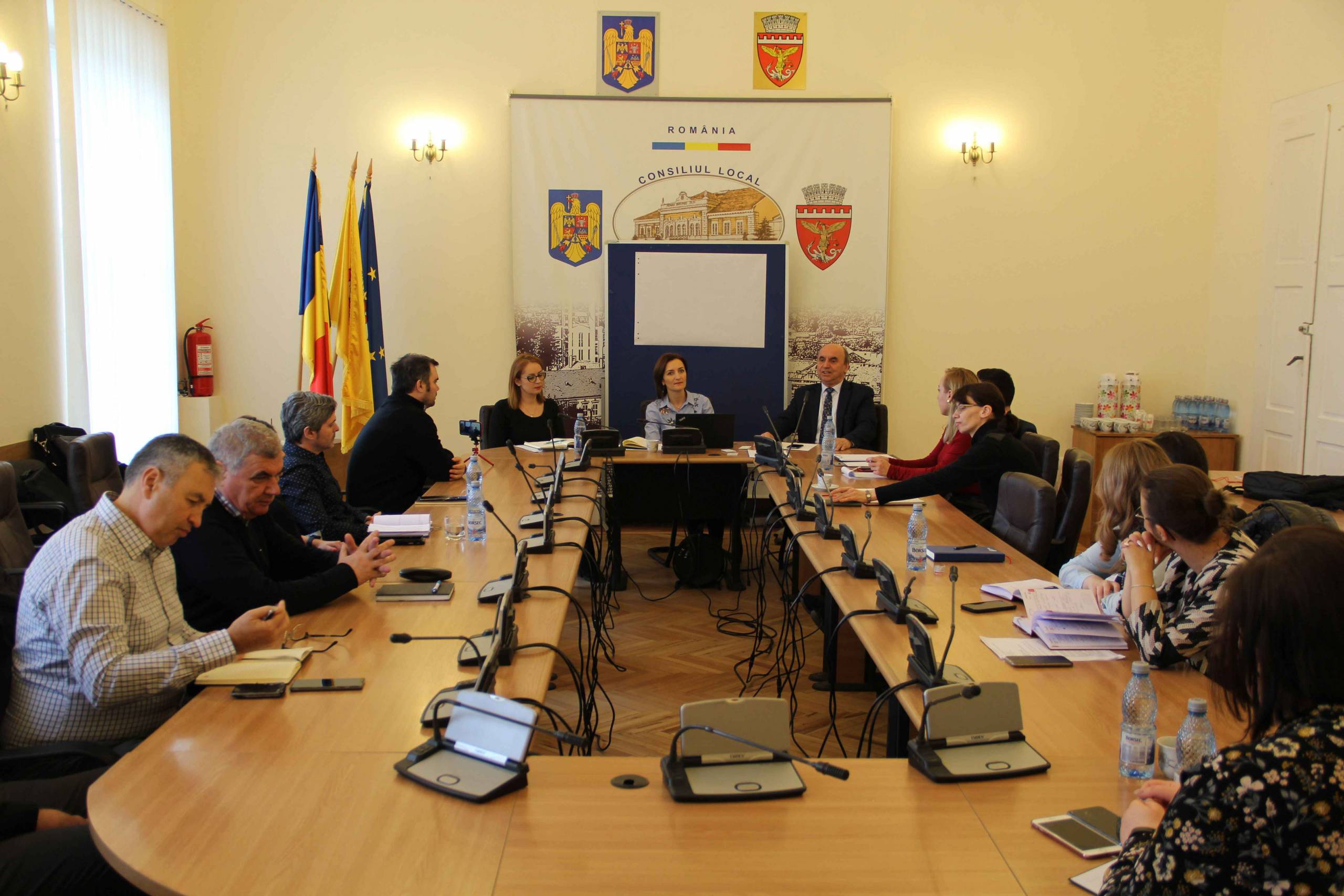
It is the highest level consultative forum of the smart specialization process, operating according to its own Regulation of organization and operation. Following the unification of the Committee and the Regional Consortium for Innovation in 2019, the new Steering Committee has 17 titular members, who can be replaced by substitute members, being chaired by the General Director of ADR Northwest. Members are elected by direct vote and represent at a high level the business environment (employer associations and federations, chambers of commerce and industry), the academic environment (universities), public administration (county councils), research-development and technology transfer entities, catalysts growth (clusters and business infrastructures), banking sector, relevant national, regional and county ministries/agencies/councils (Ministry of Research and Innovation, County Employment Agencies, National Council for the Development of Vocational and Technical Education), institutions relevant from fields with potential for smart specialization, as well as relevant structures created at national level.

The Steering Committee approves all documents related to the process of developing, implementing and monitoring the Strategy, being supported by the Strategy Management Team which also fulfills the role of secretariat for this Committee. Taking into account the provisions of Law 315/2004 on regional development in Romania, the most important documents approved by the Steering Committee are sent for approval to the Council for Regional Development.

 Scientific Committee

It is a flexible structure, which brings together specialists from the university, academic or research-development-innovation sphere, from independent European expertise groups. The Scientific Committee ensures the connection with the European specialist networks, having the role of bringing added value to the process through the specialized knowledge held.

The experts in the Scientific Committee are selected based on their knowledge and experience in the field and collaborate closely with the Management Team to achieve the assumed objectives, especially in terms of ensuring the quality and validity of the Strategy. In various stages of the Strategy development process, other experts may be involved, depending on the topic of the consultation.

 Working groups on priority areas

These Groups are established in order to support economic transformation through innovation in the fields of intelligent specialization identified in the Strategy. These are Working Groups based on quadruple helix cooperation. They include representatives of the business environment in the respective field, representatives of universities and research-development-innovation centers, business support infrastructures, public administration and civil society. All interested organizations and institutions can be part of these Groups, appointing a representative and an alternate. The groups are open and flexible, and those interested can express their desire to participate at any time. Even if the Groups are organized on each priority field separately, given the close links between the fields of specialization, they can also be organized on several fields or joint meetings of the Groups or their representatives can be organized.

 Working groups on horizontal themes

The groups operate to support the implementation of specific priorities and actions within the policy mix. These Groups include representatives of organizations and institutions that have the same objectives and duties, each of them designating a full member and an alternate. Building on the policy mix content of the Strategy, these Groups can develop and implement more detailed action plans to achieve strategic objectives. As a rule, the thematic Working Groups include those members of the Steering Committee who represent in this structure the respective category of key actors and who report to this committee.

The topic around which such a Group is formed is selected by the Steering Committee. The group is supported by the Management Team and may have its own Regulation of organization and operation.

 In order to ensure a better coordination between the regional and national level regarding the smart specialization process, based on MCI Order no. 458/31.07.2019 was established Coordinating Committee for the Smart Specialization Strategy (CCSI), with the main role of establishing the mechanism of integration and coordination of the areas of intelligent specialization, the directions of action and the strategic priorities of national and regional intelligent specialization. The CCSI presidency is provided by the MCI and is composed of representatives of 7 Ministries, the Executive Unit for Financing Higher Education, Research, Development and Innovation, as well as Regional Development Agencies.

The document was updated during 2020, taking into account the new legislative package on the implementation of European funds related to the 2021-2027 financial framework, launched by the European Commission (EC), which provides for a series of "favoring conditions" that replace the related ex-ante conditionalities period 2014-2020, these being stricter and consolidated in the context of the targeted European fund, EU funding being restricted by their non-fulfillment according to the provisions of the draft General Regulation (EC). This regulation provides in Annex III, 4 horizontal favorable conditions (CO) on the fulfillment of which depends the financing of all specific objectives related to the European Regional Development Fund (ERDF), the Cohesion Fund (CF) and the European Social Fund Plus (ESF+) and in Annex IV , 15 sectoral favorable conditions (CS) on the fulfillment of which depends the financing of one or more specific objectives aimed at certain intervention sectors.

Fulfilling the criteria related to the enabling condition "Good governance of the national or regional smart specialization strategy" is essential for the programming exercise for the period 2021-2027, considering the funding related to Policy Objective 1 (OP1) of the European Union - "A Smarter Europe , by promoting an innovative and intelligent economic transformation", with impact on several Operational Programs (Regional Operational Programme, Intelligent Growth Operational Programme, Digitization and Financial Instruments, Health Operational Programme). Also, the development of Smart Specialization Strategies at the regional level is a condition for OP1-related funding granted within the Regional Operational Programs in the period 2021-2027.

At the level of the North-West Region, the first Regional Innovation Strategy was developed for the period 2005-2008, with the general objective of increasing the attractiveness and competitiveness of the North-West Region by creating a support system for innovation and by promoting a culture of innovation.

keyboard_arrow_up
Skip to content